Last updated: October 2026
Sweden holidays combine the magnificence of Stockholm — one of Europe’s most beautiful capital cities, built across 14 islands where Lake Mälaren meets the Baltic — with the Arctic drama of Swedish Lapland, where the legendary Ice Hotel rises from the frozen River Torne each winter and the Northern Lights illuminate the sky above ancient boreal forest. Between these two extremes lies a country of extraordinary variety: 30,000 Baltic archipelago islands, Viking Age heritage, Michelin-starred gastronomy and a design culture that has shaped the modern world.
For UK travellers, Sweden is within 2 hours 30 minutes’ flying time and offers a depth of experience that rewards both city break visitors and those seeking longer adventures in the natural landscape. This guide covers everything you need to plan an outstanding Sweden holiday.
Sweden offers one of the most complete holiday experiences in northern Europe — a country that excels simultaneously at urban culture, natural wilderness, gastronomic excellence and outdoor adventure. The diversity is the key appeal: no other Scandinavian country offers the same range within a single destination, from the medieval grandeur of Stockholm’s Gamla Stan to the Arctic silence of Lapland to the sun-drenched summer islands of the archipelago.
The country also holds a special place in UK popular culture. ABBA, IKEA, Volvo, H&M, Minecraft, Spotify — all Swedish in origin — have made the country’s design and creative culture familiar to British visitors before they even arrive. The ABBA Museum in Stockholm is one of the most visited attractions in Sweden, but the country’s cultural contributions extend far beyond pop music into architecture, literature, film and social policy.
Sweden is straightforward to visit for UK travellers. English is spoken universally, public transport is excellent and reliable throughout the country, and the high standard of hotels, restaurants and outdoor facilities means that expectations are consistently met. The cost of visiting is high by southern European standards but comparable to Norway and slightly more affordable than Denmark.
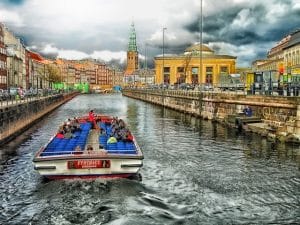
Stockholm is widely regarded as one of the most beautiful capital cities in Europe — a bold claim that the city fully justifies. Built across 14 islands connected by 57 bridges, with water visible from virtually every point in the city, Stockholm has a relationship with its natural setting that gives it a distinctive and endlessly photogenic quality. The combination of the medieval Old Town, the 17th-century palace and the modern waterfront districts creates a city that feels both deeply historical and entirely contemporary.
Gamla Stan — the Old Town on the central island — is the historical heart of Stockholm and one of the finest preserved medieval city centres in northern Europe. The narrow cobbled streets of Stortorget (the main square), Köpmangatan and Västerlaanggatan are lined with 16th and 17th-century buildings in shades of ochre, red and yellow, and the Royal Palace occupies the entire northern tip of the island — one of the largest palaces in Europe and still used by the Swedish royal family. The changing of the guard ceremony is a colourful and popular daily event.
The Vasa Museum on Djurgården island is Stockholm’s most visited attraction and justifiably so: the almost perfectly preserved hull of the 17th-century warship Vasa, which sank on its maiden voyage in Stockholm harbour in 1628, is one of the most extraordinary museum experiences anywhere in the world. The ship is enormous — 69 metres long — and the detail of the carved decorations is astonishing given its 333 years on the seabed. The ABBA Museum on the same island is a joyful and surprisingly sophisticated celebration of the band’s music and career that goes far beyond a simple nostalgia trip.
Swedish Lapland occupies the far north of the country above the Arctic Circle — a vast wilderness of ancient forest, frozen rivers, reindeer pastures and Sami indigenous culture that offers one of the most extraordinary travel experiences available to UK visitors. The region is most famous for two things: the Northern Lights (visible from September to March) and the Ice Hotel at Jukkasjärvi, the world’s first and most celebrated hotel built entirely from ice and snow.
The ICEHOTEL at Jukkasjärvi, 200 kilometres north of the Arctic Circle, is rebuilt entirely each winter from ice harvested from the frozen River Torne. Guest rooms are designed by international artists, with each room featuring a unique sculptural interior carved from pure ice — no two rooms are the same and the artistry is genuinely impressive. Sleeping on a bed of ice in a reindeer skin sleeping bag at −5 degrees Celsius inside the hotel (while −25 or colder outside) is an experience that absolutely cannot be replicated anywhere else on earth. A year-round “365” version of the hotel with permanent ice suites maintained by industrial freezing now operates alongside the winter structure.
The Northern Lights over Swedish Lapland are best experienced between September and March from locations away from light pollution — Abisko National Park is particularly celebrated for its views due to a natural microclimate that keeps skies clear more consistently than surrounding areas. Aurora safaris by snowmobile, on dog sledges or on foot through the forest are the classic way to hunt the lights. Abisko’s Aurora Sky Station — accessible by chairlift — is one of the finest viewing platforms in Scandinavia.
The Stockholm Archipelago — 30,000 islands, islets and rocks scattered across the Baltic Sea east of the capital — is one of Sweden’s greatest natural assets and one of the world’s finest sailing and island-hopping destinations. From late May to September, the archipelago comes alive with boats, summer cottages, open-air fish restaurants and the distinctly Swedish culture of outdoor living in nature that the Swedes call “friluftsliv.”
The outer archipelago islands — further from the mainland, with rockier terrain and wilder character — are the most unspoilt, accessible by regular ferry services from Stockholm or by private boat. Sandhamn, Utö and Grinda are among the most visited, each with distinct character: Sandhamn for sailing and nightlife, Utö for cycling and beaches, Grinda for family-friendly nature walks and good restaurants. The ferry journey from Stockholm to the outer islands is itself a pleasure — threading through the increasingly wild landscape as the city recedes is one of the great short sea voyages of northern Europe.
Kayaking through the archipelago is one of Sweden’s finest outdoor experiences — paddling between islands, camping on uninhabited islets (the Swedish “right to roam” law, allemansrätten, permits this throughout the country) and swimming in the clear Baltic water. Guided kayaking tours of varying lengths are available from Stockholm and from several archipelago villages.
Gothenburg (Göteborg) is Sweden’s second city and arguably its finest culinary destination — a city with more Michelin-starred restaurants per capita than almost anywhere in Europe, a beautiful canal system modelled on Amsterdam, and an easy-going maritime character shaped by its position as Sweden’s major west-coast port. The Avenyn boulevard, the Haga district of 19th-century wooden houses and the Feskekôrka fish market (literally “Fish Church” — a covered fish market in a church-shaped building) are the key attractions.
The Swedish west coast north of Gothenburg — the Bohuslän coastline — is one of Scandinavia’s finest summer coastal destinations: a rocky granite shoreline of fishing villages, smooth rocks for swimming and sunbathing, seafood shacks and a sailing culture that attracts visitors from across northern Europe. Smögen, Fjällbacka and Kungshamn are among the prettiest villages on this stretch of coast, each with excellent seafood restaurants serving the freshest prawns, lobster and crayfish from the cold North Sea waters directly offshore.
The Gothenburg region also provides easy access to the island of Marstrand — a car-free summer island with a remarkable clifftop fortress, several good hotels and restaurants, and one of Sweden’s most attractive small harbours. The Gothenburg to Marstrand journey by bus and ferry takes around 1 hour from the city centre.
Stockholm Arlanda Airport (ARN) is the main international gateway, with direct flights from UK airports including London Heathrow, Gatwick, Manchester and Edinburgh operated by SAS, British Airways, Norwegian and easyJet. Flight time from London is approximately 2 hours 30 minutes. Gothenburg Landvetter Airport (GOT) is served by direct flights from London and some UK regional airports. Kiruna Airport (KRN) in Swedish Lapland receives direct charter flights from UK airports during the winter Lapland season.
Stockholm’s public transport system is excellent and comprehensive, connecting the airport to the city centre in 20 minutes by Arlanda Express train. Rail travel between Stockholm and Gothenburg takes 3 hours by high-speed train — one of the finest inter-city rail routes in Scandinavia. Within Lapland, transfers by minibus or snowmobile connect airports to the main resort areas.
Search4Sun works with leading UK tour operators to find the best value Sweden holidays. Browse departures from local airports across the UK. For peace of mind when booking, always check your holiday is ABTA protected.
For last-minute deals, check LastMinute.com for the latest availability and rates.
Stockholm is one of Europe’s finest short break destinations. Three to four days is enough to cover the main highlights — Gamla Stan, the Vasa Museum, the ABBA Museum, Djurgården park and a ferry trip to one of the nearer archipelago islands — while leaving time for good dinners and the atmospheric evening atmosphere of the Södermalm district. The Stockholm Pass provides excellent value for museum entry and some transport.
The city is extremely walkable, and most of the central sights are within comfortable walking distance of each other. English is spoken universally and the city’s international character makes it very welcoming for solo travellers, couples and families alike. Direct flights from multiple UK airports keep the journey straightforward.
For Stockholm and city breaks, May, June and September offer the best combination of good weather and manageable crowds. July is peak season with higher prices. For the archipelago and outdoor activities, June to August is ideal — long warm days and a vibrant summer atmosphere. For the Ice Hotel, Northern Lights and Lapland activities, December to March is the prime season, with January and February offering the most reliable snow conditions.
The Swedish midsummer celebration (Midsommar) in late June — marked with maypole dancing, flower garlands and traditional food — is one of the most characterful and enjoyable national celebrations in Scandinavia, and timing a visit to coincide with it (particularly in the archipelago or countryside) is a memorable experience.
The ICEHOTEL at Jukkasjärvi is rebuilt entirely each winter from approximately 5,000 tonnes of ice harvested from the River Torne. Artist-designed ice suites — each one unique — provide sleeping accommodation at around −5°C inside the room. Guests sleep on ice beds with reindeer skin mattresses inside high-quality Arctic sleeping bags, and the experience of waking in a room carved entirely from ice with light filtering through ice walls is genuinely extraordinary.
The hotel also offers warm cabin accommodation for those who want the Ice Hotel experience during the day without sleeping in sub-zero temperatures. The ice bar, ice chapel and guided tours of the artistic suites are available regardless of accommodation type. Most UK visitors book the Ice Hotel as part of a 3–4 night Lapland package that combines one night in the ice rooms with additional nights in warm cabins.
Yes — Swedish Lapland is one of the finest Northern Lights destinations in Scandinavia. Abisko National Park is particularly well-regarded due to its naturally clear microclimate, and the Aurora Sky Station at Abisko — accessible by chairlift — is one of the best viewing platforms in the region. The lights are visible from September to March when skies are sufficiently dark.
Aurora sightings depend on solar activity and cloud cover and can never be guaranteed. A stay of at least 4–5 nights in Lapland gives a reasonable statistical chance of a clear-sky sighting. Most operators offer a range of evening aurora-hunting activities — snowmobile safaris, dog sled rides and guided snowshoe walks — that get guests away from any light pollution and into optimal viewing positions.
If you book a flight-inclusive Sweden package through a UK tour operator holding an ATOL licence, your money is fully protected if the company fails before or during your trip. Booking flights and accommodation separately removes ATOL protection. Our holiday protection guide covers ATOL, ABTA and Section 75 in full.
All packages listed on Search4Sun are offered by ATOL-licensed UK tour operators, so you can compare and book with complete confidence.
Most popular full-day tours


Visa requirements vary significantly by nationality. We recommend contacting your local embassy or immigration office for accurate and up-to-date information.
Check requirements at IATA Travel Centre →| Month | Avg Temp (°C) | Avg Rainfall (mm) |
|---|---|---|
| Jan | -1°C | 54.6 mm |
| Feb | -0.8°C | 32.1 mm |
| Mar | 1.9°C | 30.4 mm |
| Apr | 4.1°C | 41.2 mm |
| May | 9.9°C | 42.6 mm |
| Jun | 15.8°C | 43 mm |
| Jul | 17.7°C | 78.6 mm |
| Aug | 16.6°C | 97.9 mm |
| Sep | 13.2°C | 60 mm |
| Oct | 8.3°C | 62.4 mm |
| Nov | 3.4°C | 46.2 mm |
| Dec | -0.4°C | 51.6 mm |
Search4Sun has been comparing UK holiday packages since 2005. We work with some of the best ABTA-registered operators.