HomeDestinationCaribbeanBarbados
Last updated: October 2026
Barbados holidays represent the pinnacle of English-speaking Caribbean travel — a small, beautifully run island that has welcomed British visitors since 1625 and has developed a tourist infrastructure of exceptional quality in the four centuries since. With superb beaches on both coasts, a restaurant scene that punches well above its weight, deep cricket traditions and some of the friendliest people in the Caribbean, Barbados remains the gold standard for UK travellers heading to the tropics.
This guide covers everything you need to plan and book the perfect Barbados holiday — the west coast versus the east coast, the best beaches, where to eat, what to do and all the practical travel information from the UK.
Barbados holidays attract visitors who want quality, reliability and the most refined version of the Caribbean experience — an island that has been doing this for a very long time and does it exceptionally well. Barbados is consistently rated among the top Caribbean destinations by UK travel publications and tour operators, and the reasons are straightforward: excellent beaches, great weather, outstanding food, direct UK flights and a genuine warmth of welcome that makes every visitor feel at home.
The island is the most easterly in the Caribbean chain, sitting in the Atlantic rather than the Caribbean Sea — a geographical fact that gives it a drier climate than many neighbouring islands, more consistent trade winds and a slightly different coastal character depending on which side of the island you are on. The contrasts between the calm, reef-protected west coast and the dramatic, Atlantic-facing east coast are one of Barbados’s great pleasures to explore.
Barbados also has a distinctive cultural identity that sets it apart from the general Caribbean blend. The island’s 400-year continuous British colonial history (it was never captured by another power, unlike most Caribbean islands) produced a culture with strong British elements alongside its African heritage — cricket is a national religion, afternoon tea is a genuine institution in some hotels, and the Barbadian legal and governmental systems are closely modelled on British originals.
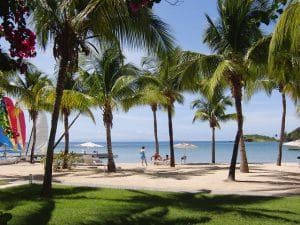
The Platinum Coast — so named for the quality of its hotels and beaches — runs along Barbados’s calm western shore, where the Caribbean Sea is protected from Atlantic swells by the island’s own bulk and the offshore reef. The beaches here are the definitive Caribbean postcard image: pale sand, crystal-clear turquoise water, gently waving palms and a line of some of the finest hotels in the region set back behind manicured gardens.
Paynes Bay, Mullins Beach and Sandy Lane Bay (in front of the legendary Sandy Lane Hotel) are the standout beaches on the west coast — all publicly accessible, all beautifully maintained and all equipped with beach bars and watersports hire. The snorkelling from the west coast beaches is excellent, with healthy coral and a remarkable population of sea turtles that habitually feed in the shallows and are entirely accustomed to gentle swimmers approaching to observe them.
The west coast is also where Barbados’s finest hotels and most celebrated restaurants are concentrated. Holetown — the original 1625 landing point of the first English settlers — is the commercial and social centre of the west coast, with an excellent selection of boutiques, restaurants and bars that make it a very pleasant base for an evening out.
The south coast is more affordable and more lively than the Platinum Coast, with a busier resort atmosphere centred on the St. Lawrence Gap — a short strip of bars, restaurants and nightlife that is Barbados’s most concentrated entertainment district and the island’s social heart for younger visitors. The beaches on the south coast are excellent, with more wave action from the Atlantic and conditions that make them popular with windsurfers and kitesurfers.
Miami Beach (locally known as Enterprise Beach) is a beautiful, relatively quiet south coast option with excellent swimming conditions. Accra Beach at Rockley is the most popular south coast beach — wide, lively and well-equipped, it draws a mix of locals and visitors and has a genuinely Caribbean buzz that the more exclusive west coast beaches sometimes lack.
Bridgetown, the capital, is accessed most easily from the south coast and rewards a half-day visit. The UNESCO-listed historic core — centred on Trafalgar Square (now National Heroes Square) and the Parliament buildings — reflects the island’s British colonial heritage in bricks and mortar. The Garrison Historic Area, including the Barbados Museum housed in the old military prison, is one of the finest heritage sites in the Caribbean.
Crop Over, Barbados’s annual carnival festival, runs from early July through early August and culminates in the Grand Kadooment Day parade — a spectacular procession of costumed bands, soca music and the entire population at its most joyfully celebratory. Visiting Barbados during Crop Over is an experience unlike any other in the Caribbean and is particularly popular with UK visitors who combine the festival with their beach holiday.
A tour of the Mount Gay Rum Distillery in Bridgetown is one of the essential Barbados experiences — Mount Gay, established in 1703, is the world’s oldest rum brand and the distillery tour provides a fascinating insight into the production process alongside tastings of several different expressions. The St. Nicholas Abbey plantation, one of only three Jacobean mansions surviving in the western hemisphere, also produces its own superb plantation rum and offers tours of the historic estate.
The Harrison’s Cave underground system — a network of limestone caverns with stalactites, stalagmites and underground streams traversed by electric tram — is the island’s most popular inland attraction. The Bathsheba surf beach on the wild east coast, the Andromeda Botanic Gardens near Bathsheba and the dramatic Animal Flower Cave at the island’s northern tip are all worth the journey for those willing to explore beyond the west coast hotel strip.
Barbados has the best restaurant scene in the English-speaking Caribbean — a claim that is well supported by the quality and variety of what is available across the island. The west coast dining strip includes several restaurants of genuine international calibre, with sophisticated menus drawing on the finest local seafood, produce and the island’s unique culinary heritage.
The national dish is flying fish and cou-cou — the flying fish (abundant in Barbadian waters and an icon of national identity) served with a stiff cornmeal and okra porridge that is the Caribbean equivalent of polenta. Pudding and souse (pickled pork with sweet potato pudding, served on Saturday mornings throughout the island) is the essential local food experience; the Saturday morning street food scene at the Cheapside Market and at fish markets across the island is one of the most enjoyable ways to experience everyday Bajan life.
Banks Beer (the local lager) and the rum of Mount Gay and Foursquare are the defining drinks of Barbados. The rum punch served at beach bars — four parts rum, three parts sweet, two parts sour, one part weak — is based on a formula that dates back centuries and remains the most refreshing drink imaginable after a morning on the beach.
Grantley Adams International Airport in the south of the island is one of the best-connected airports in the Caribbean, with direct flights from London Gatwick and Heathrow on British Airways and Virgin Atlantic year-round, and from multiple UK regional airports via charter and scheduled services. Flight time from London is approximately eight hours.
Taxis are plentiful and fixed-rate from the airport. Car hire gives the most flexibility for exploring the island — Barbados’s road network is good and the island small enough to drive across in under forty minutes. The south and west coast hotels are typically 20–45 minutes from the airport depending on location.
Search4Sun works with leading UK tour operators to find the best value Barbados holidays, with direct flights and hotel packages from local airports across the UK. For peace of mind when booking, always check your holiday is ABTA protected.
For last-minute Barbados deals, check LastMinute.com for the latest rates. Also see our guide to Caribbean holidays for the full regional overview.
Barbados is one of the more expensive Caribbean destinations, particularly on the Platinum (west) coast where the luxury hotels and fine dining restaurants set a premium price level. The south coast offers considerably more affordable accommodation and dining without sacrificing the quality of beaches or sunshine.
The best value is found in all-inclusive packages on the south coast, where food, drinks and entertainment costs are fixed in advance. Local rum shops, fish markets and roadside stalls offer outstanding value for those happy to eat and drink where Bajans do rather than where tourists are directed.
The west (Platinum) coast offers calmer water, more upmarket hotels and the finest restaurants — it suits couples, honeymooners and those seeking a more exclusive, quieter experience. The south coast is livelier, more affordable and better for those who want a social atmosphere, nightlife and a broader range of fellow visitors.
Many visitors choose accommodation on one coast and rent a car to explore both — the contrast between the two is one of Barbados’s great pleasures and both offer genuinely outstanding beaches.
December to April is the high season — dry, sunny and reliably beautiful, with the lowest humidity of the year. January and February are the peak months. Barbados is drier than many Caribbean islands year-round due to its position in the Atlantic trade winds.
The Crop Over festival period (July to early August) is one of the best times to visit if you want to experience Bajan culture at its most vibrant — though this falls within the nominal hurricane season, Barbados sits at the southern end of the Caribbean and experiences fewer direct hurricane impacts than more northerly islands.
Yes — the west coast reefs offer some of the Caribbean’s most accessible snorkelling, with healthy coral and a resident population of hawksbill and leatherback turtles that regularly feed in the shallow water close to the beach. Several operators offer guided turtle snorkel trips from the west coast beaches.
The Stavronikita shipwreck off the west coast, deliberately sunk as an artificial reef, is an outstanding dive and snorkel site accessible on organised excursions. Carlisle Bay on the south coast also has several historic shipwrecks visible in shallow water.
If you book a flight-inclusive Barbados package through a UK ATOL-licensed tour operator, yes. Your money is protected if the operator collapses before or during your holiday, and repatriation is covered. Booking flights and accommodation independently provides no package protection. Read our holiday protection guide for a clear explanation of ATOL, ABTA and what to check before you book.
All packages listed on Search4Sun are offered by ATOL-licensed UK tour operators, so you can compare and book with confidence.
Most popular full-day tours


Visa requirements vary significantly by nationality. We recommend contacting your local embassy or immigration office for accurate and up-to-date information.
Check requirements at IATA Travel Centre →| Month | Avg Temp (°C) | Avg Rainfall (mm) |
|---|---|---|
| Jan | 23.9°C | 60.2 mm |
| Feb | 24°C | 38.9 mm |
| Mar | 24.3°C | 49.7 mm |
| Apr | 24.8°C | 48.6 mm |
| May | 25.6°C | 52 mm |
| Jun | 25.6°C | 92.9 mm |
| Jul | 25.4°C | 127.1 mm |
| Aug | 25.7°C | 119.4 mm |
| Sep | 26.1°C | 110.2 mm |
| Oct | 26°C | 91.7 mm |
| Nov | 25.3°C | 91.4 mm |
| Dec | 24.6°C | 69.4 mm |
Search4Sun has been comparing UK holiday packages since 2005. We work with some of the best ABTA-registered operators.