HomeDestinationEgyptMarsa Alam
Last updated: October 2026
Marsa Alam holidays offer the Red Sea at its most unspoilt — a stretch of southern Egyptian coastline where pristine coral reefs, sea turtles, dugongs and near-deserted beaches remain largely untouched by mass tourism. Located 210 kilometres south of Hurghada along a coast road that passes through empty desert, Marsa Alam attracts visitors who know what they are looking for: exceptional marine life, world-class diving and snorkelling, and a quieter, more natural Red Sea experience than the established northern resorts provide.
For UK divers and nature-focused travellers, Marsa Alam has established itself as one of the finest Red Sea destinations over the past decade. This guide covers everything you need to plan an outstanding Marsa Alam holiday.
Marsa Alam is the choice of Red Sea visitors who have either already experienced Hurghada or Sharm el-Sheikh and want something more natural, or those who research carefully and choose quality over convenience from the outset. The resort area is far less developed than the northern Red Sea resorts — hotels are smaller and more spread out along the coast, the beaches are less crowded, and the reefs immediately accessible from the shore are in considerably better condition.
The marine biodiversity here is extraordinary even by Red Sea standards. Dugongs — the large, gentle sea mammals related to manatees — are regularly encountered at Abu Dabbab Bay in numbers found at very few other accessible locations in the world. Green and hawksbill turtles are routinely seen at multiple sites along the coast. Whale sharks are occasionally spotted in season, and the resident dolphin pod at Samadai Reef (also known as Dolphin House) is one of the most reliable dolphin-spotting locations in Egypt.
The overall atmosphere in Marsa Alam is relaxed and unhurried. The resort attracts a more experienced and independent-minded traveller than the all-inclusive mass-market hotels of Hurghada, and the hotels themselves tend to reflect this — boutique eco-lodges, small dive-focused resorts and quality liveaboard dive boats all operate from this stretch of coast.
The dive sites around Marsa Alam are consistently rated among the finest in the Red Sea. Elphinstone Reef, approximately 30 kilometres north of the resort, is one of the most celebrated dive sites in Egypt — a narrow underwater plateau dropping away to enormous depths on both sides, covered in magnificent soft corals and frequented by oceanic whitetip sharks, hammerheads and the occasional thresher shark. The wall dives here are dramatic and the pelagic encounters genuinely exciting, making Elphinstone essential for experienced divers.
Sha’ab Marsa Alam, the reef directly in front of the resort town, offers excellent accessible diving for all levels with good coral cover, diverse reef fish and the reliable presence of sea turtles. The wreck of the Abu Dabab Barge — resting in 18 metres of water near the bay of the same name — is a straightforward wreck dive suitable for beginners with an interesting population of moray eels and lionfish among the encrusting corals.
Liveaboard dive boats operating from Marsa Alam reach sites along the southern Red Sea that are inaccessible to day boats — the Brothers Islands (Little Brother and Big Brother), Daedalus Reef, and the remote reefs of the far south that offer hammerhead aggregations, whale sharks and manta rays in season. A liveaboard itinerary from Marsa Alam is considered one of the great diving experiences in the world by those who have done it.
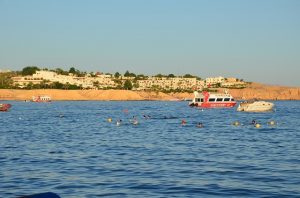
Abu Dabbab Bay is the most famous and most visited site in the Marsa Alam area — a shallow, sheltered bay where sea turtles and dugongs feed on the seagrass beds that carpet the bay floor. Snorkelling in Abu Dabbab is a genuinely extraordinary experience: green sea turtles surface for air just metres from swimmers, dugongs — rare and shy in most of the world — graze peacefully on the seagrass below, and the fish life is abundant throughout the bay.
The dugongs of Abu Dabbab are one of Egypt’s most remarkable wildlife attractions. The bay supports a small but relatively stable population of these gentle sea mammals, which can grow to 3 metres in length and are found at accessible snorkelling depths in the bay. Sightings are not guaranteed but are common enough that most visitors who spend half a day snorkelling in the bay will have an encounter. The turtles are even more reliable — multiple individuals are typically present throughout the day.
Access to Abu Dabbab is by boat trip from the resort, typically combined with a snorkelling stop at Marsa Mubarak (another seagrass bay where turtles feed) and sometimes a visit to Dolphin House. The bay has a small beach facility with sunbeds and a café, and the snorkelling is accessible to non-swimmers using flotation aids. This is one of the most moving wildlife encounters available to UK visitors anywhere in the world.
The coastline around Marsa Alam is largely natural and undeveloped compared to the northern Red Sea resorts. Hotel beaches are generally private, clean and well-maintained, and the absence of large-scale development means the natural desert and coral character of the coast is preserved. The colour palette — white sand, turquoise water, red desert mountains behind — is stunning.
Port Ghalib, 20 kilometres north of Marsa Alam, is a purpose-built marina resort development with a man-made lagoon, sandy beach areas, restaurants and boutiques. It provides a more organised beach resort environment for visitors who want some shopping and dining variety alongside the natural marine sites. The marina here is one of the most attractive in Egypt and the waterfront restaurants are a pleasant evening option.
The desert behind the coast has its own stark beauty — the Eastern Desert mountains here reach the sea in places, creating dramatic cliff backdrops that distinguish the Marsa Alam coastline from the flat desert terrain behind Hurghada. Wadi El Gemal National Park, south of Marsa Alam, protects a large area of pristine desert and coastline including one of Egypt’s finest undeveloped beaches and significant populations of rare desert wildlife.
Beyond the marine activities, Marsa Alam offers several worthwhile excursions into the surrounding desert. The ancient gold mines at Wadi el-Hudi and the Emerald Mines of Wadi Sikait — where Romans mined emeralds for the imperial court — are accessible by 4×4 and provide a fascinating glimpse into the Eastern Desert’s remarkable history of mineral extraction. The Emerald Mines, now completely abandoned, contain the ruins of a substantial ancient settlement deep in the mountains.
Bedouin villages in the Eastern Desert offer camel trekking, traditional food and overnight camping experiences for those who want to venture beyond the coast. The contrast between the coral reef world of the bay and the complete aridity of the desert behind it — sometimes visible simultaneously from elevated positions on the coast road — is one of the most striking geographical juxtapositions in the world.
Day trips to Luxor are possible from Marsa Alam by road (around 3 hours via Qena) or by domestic flight. The combination of Marsa Alam’s marine world with a day among the Pharaonic monuments of the Valley of the Kings is a particularly satisfying Egyptian experience and well-organised by local tour operators.
Marsa Alam International Airport (RMF) — also known as Marsa Alam or Red Sea International Airport — is located approximately 65 kilometres north of the resort town. Direct flights from UK airports including London Gatwick operate seasonally, primarily in winter, with TUI and various charter carriers. Flight time from London is approximately 5 hours.
During periods when direct UK flights are not operating, Hurghada Airport (HRG) is the most practical alternative, with a road transfer of approximately 2 hours 30 minutes to Marsa Alam. Many visitors combine a Hurghada flight with a private transfer to Marsa Alam, allowing access to the better-connected northern airport while still basing themselves in the quieter southern resort.
Search4Sun works with leading UK tour operators to find the best value Marsa Alam holidays. Browse departures from local airports across the UK. For peace of mind when booking, always check your holiday is ABTA protected.
For last-minute deals, check LastMinute.com for the latest availability and rates.
For experienced divers seeking pristine reefs, pelagic encounters and less diver pressure on the sites, Marsa Alam is generally considered superior to Hurghada. The reefs are in better condition, the marine megafauna (dugongs, turtles, oceanic whitetips at Elphinstone) are more reliably encountered, and the overall underwater environment feels less impacted by decades of heavy use.
For beginners or those primarily interested in snorkelling and resort-based diving, Hurghada’s better infrastructure, wider excursion options and stronger flight connections may make it the more practical choice. The ideal Egypt dive holiday for serious divers would combine a few days in each area, or a liveaboard operating out of Marsa Alam reaching both northern and southern Red Sea sites.
Dugong sightings at Abu Dabbab are frequent but cannot be guaranteed — these are wild animals that move around the bay according to their own schedule. The resident population is small and encounters depend on conditions and the animals’ location within the bay at any given time. However, the bay is one of the most reliable places in the world to see dugongs and most visitors who spend sufficient time snorkelling there will have a sighting.
Sea turtle sightings in the bay are considerably more reliable — multiple turtles are typically present throughout the day. Visiting early in the morning, when the bay is quieter and the animals are less disturbed, gives the best chance of prolonged encounters with both species. Your hotel dive centre or excursion desk can advise on the best current conditions.
Marsa Alam is a year-round destination with warm water and sunshine throughout the year. October to April offers the most comfortable air temperatures for beach and outdoor activities (25–30°C), while the summer months bring intense heat that is best managed in or near the water. The diving is excellent year-round, with the best visibility generally in the cooler months.
Whale shark season in the southern Red Sea typically runs from October to April, coinciding with the best overall visiting conditions. Dolphin activity at Samadai Reef is consistent year-round. Direct UK flights to Marsa Alam airport operate primarily in the winter season (October–April).
Yes — Marsa Alam offers an excellent experience for non-divers, particularly those who enjoy snorkelling and wildlife. The shallow bays at Abu Dabbab and Marsa Mubarak are ideal for snorkelling with turtles and dugongs without any diving training. Glass-bottomed boat trips are available for those who prefer to stay dry.
The beach and pool experience at Marsa Alam hotels is generally more peaceful than at Hurghada, and the natural desert scenery and excursion options provide variety beyond the water. Visitors who want the quietest, most natural version of a Red Sea beach holiday will find Marsa Alam more satisfying than the busier northern resorts.
If you book a flight-inclusive Marsa Alam package through a UK ATOL-licensed tour operator, yes — your money is protected if the company fails. Booking independently removes ATOL protection. Our holiday protection guide covers ATOL, ABTA and your rights under Section 75 of the Consumer Credit Act.
Search4Sun works with many ATOL-protected UK tour operators — always check the individual operator’s credentials before booking.
Most popular full-day tours


Visa requirements vary significantly by nationality. We recommend contacting your local embassy or immigration office for accurate and up-to-date information.
Check requirements at IATA Travel Centre →| Month | Avg Temp (°C) | Avg Rainfall (mm) |
|---|---|---|
| Jan | 19.6°C | 0.9 mm |
| Feb | 19.3°C | 0.1 mm |
| Mar | 22°C | 0.9 mm |
| Apr | 25.8°C | 0 mm |
| May | 28.8°C | 0 mm |
| Jun | 31.6°C | 0 mm |
| Jul | 32.9°C | 0 mm |
| Aug | 33.4°C | 0.1 mm |
| Sep | 31.4°C | 0 mm |
| Oct | 27.8°C | 0 mm |
| Nov | 24.5°C | 5.3 mm |
| Dec | 21°C | 6.1 mm |
Search4Sun has been comparing UK holiday packages since 2005. We work with some of the best ABTA-registered operators.