Cuba is one of the most genuinely distinctive travel destinations in the world. Fifty years of relative isolation from global consumer culture have preserved an atmosphere unlike anywhere else — a combination of extraordinary music, 1950s American cars, crumbling colonial architecture in extraordinary colours, and a warmth and openness in the Cuban people that consistently surprises first-time visitors.
Visiting Cuba at this particular moment in history feels important. The country is changing, slowly and unevenly, but changing nonetheless. The Cuba that exists today — with its particular combination of time-capsule atmosphere and Caribbean energy — may not exist in quite the same form in ten or twenty years. That is a reason to go sooner rather than later.
Havana
Havana is one of the great cities of the Americas and the obvious starting point for any Cuba holiday. The old city — Habana Vieja — is a UNESCO World Heritage Site and one of the most concentrated collections of colonial baroque architecture in the Western Hemisphere. Plaza de Armas, the Cathedral Square, the Capitolio, and the broad Malecón seafront promenade are all within walking distance of each other and can be covered in a day of unhurried exploration.
But Havana rewards slower exploration. The residential neighbourhoods of Vedado and Miramar have their own character — mid-century modernist mansions in various states of repair, street art, music drifting from open doorways. The live music scene is exceptional: La Bodeguita del Medio, the Buena Vista Social Club (now a performance venue), and dozens of smaller casas de la música offer live son, salsa, and jazz at prices that are almost implausibly low.
The cars are inseparable from the Havana experience. The classic American automobiles from the 1940s and 1950s — maintained through ingenuity and improvisation in the absence of spare parts — are not a tourist gimmick but a genuine feature of daily life. Hiring a convertible 1950s Chevrolet or Buick for an afternoon tour of the city is one of the most enjoyable things you can do in Cuba.
Trinidad
Trinidad, a colonial town in the centre of Cuba, is the best-preserved example of a Spanish colonial settlement in the Americas. The cobblestone streets, the brightly painted houses, and the central Plaza Mayor with its baroque church give the town a quality of preserved history that Havana, for all its grandeur, no longer fully possesses. Walking through Trinidad feels like walking through a painting.
The Topes de Collantes mountain range immediately behind the town offers excellent hiking and waterfalls. The beach at Playa Ancón, about ten kilometres from the town centre, is one of the better beaches in the central Cuba region. Trinidad is compact and best explored on foot; a day or two here is ideal before or after a period on the northern coast.
Varadero
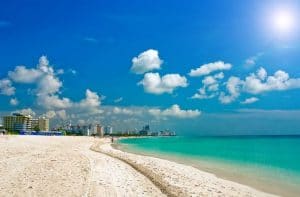
Varadero is Cuba’s main beach resort destination, situated on a narrow peninsula on the north coast about 140 kilometres east of Havana. The beach is genuinely beautiful — twenty-three kilometres of fine white sand along a protected stretch of the Atlantic coast — and the all-inclusive resorts here are well-developed and competitively priced by Caribbean standards.
Varadero is the all-inclusive Cuba experience and should be understood as such. It does not have the same depth of cultural experience as Havana or Trinidad, but as a beach holiday base with day trip options to Havana and the colonial cities of Matanzas and Cárdenas, it works well for those whose priority is sun, sea, and a comfortable hotel.
Viñales
The Viñales Valley in the Pinar del Río province in the west of Cuba is a UNESCO World Heritage Cultural Landscape — a valley of extraordinarily beautiful mogotes (steep-sided limestone hills) rising from flat tobacco-growing plains that have changed relatively little in a century. The farming here is still done largely by hand and with oxen, and the tobacco grown in Viñales is the finest in Cuba.
Visiting a tobacco farm and watching the production process from leaf to hand-rolled cigar is one of the most authentic agricultural experiences available in Cuba. The valley itself is beautiful for hiking, cycling, and horse riding. The nearby Cueva del Indio cave system and the cave paintings at Mural de la Prehistoria are worth including in a visit.
Santiago de Cuba
Santiago de Cuba, the country’s second city on the south-eastern coast, is less visited than Havana but has an equally strong claim on the traveller’s attention. It is the city most closely associated with the revolution — the Cuartel Moncada, where Castro’s 1953 attack launched the revolutionary movement, is here — and with the roots of Cuban music. Son, the musical form that eventually became salsa, originated in Santiago.
The Casa de la Trova in Santiago is widely considered the finest live music venue in Cuba, and the quality of the musicians who perform there on any given evening is extraordinary. The Casa Granda hotel on the central Parque Céspedes, though showing its age, has a rooftop terrace with a view over the cathedral and the bay that is worth the price of a drink regardless of where you are staying.
Frequently Asked Questions
Do British citizens need a visa for Cuba?
Yes. UK citizens require a tourist card (tarjeta de turista) to enter Cuba, which is different from a conventional visa but serves the same purpose. Tourist cards are available through Cuban embassies, some airlines, and approved travel agents. They are straightforward to obtain and allow stays of up to thirty days, extendable to sixty. Always double-check the current requirements before travelling.
What currency should I take to Cuba?
Cuba has undergone significant currency changes in recent years, unifying its dual-currency system into the Cuban Peso (CUP). Euros and dollars can be exchanged at official exchange houses (CADECA). Credit and debit cards from US-linked banks (including many UK cards connected to US payment networks) may not work in Cuba, so carrying sufficient cash is important. Check with your bank before travelling.
Is Cuba safe for tourists?
Cuba is one of the safer countries in the Caribbean for tourists. Violent crime against visitors is uncommon. Petty theft and scams targeting tourists do exist, particularly in Havana and around the main tourist areas. The standard precautions — not displaying expensive items, being alert in crowded areas, using official taxis rather than unmarked cars — reduce the risk considerably.
What is the best time of year to visit Cuba?
November to April is the dry season and the most popular time to visit. Temperatures are warm but not extreme, rainfall is minimal, and the humidity is lower than in summer. The hurricane season runs from June to November, with the greatest risk in September and October. If you do visit in the wet season (May to October), the country is greener and significantly less crowded.