 package holidays in iceland
Package holidays in Iceland typically include flights, hotel and key excursions such as the Golden Circle, the Blue Lagoon and a Northern Lights hunt. A three-night package from the UK usually costs between £500 and £900 per person, depending on the season.
Iceland is one destination where a package genuinely makes sense. Costs on the ground are high, so bundling tours and transfers in advance protects your budget and guarantees availability.
Why choose a package holiday to Iceland?
Iceland is consistently ranked among the most expensive countries in Europe. Pre-paying for excursions in pounds shields you from exchange rates and Reykjavik’s premium walk-in prices.
Packages also solve the logistics. Attractions are spread across long distances, tours sell out in peak season, and winter driving is not for the faint-hearted.
What do Iceland packages usually include?
Most three- to four-night packages include return flights, a central Reykjavik hotel and airport transfers via the Blue Lagoon or FlyBus. The classic add-ons are a Golden Circle day tour and an evening Northern Lights excursion.
Longer packages add the South Coast, with its black-sand beaches at Reynisfjara and the waterfalls Seljalandsfoss and Skógafoss. Some include glacier hikes or ice-cave visits in winter.
The Golden Circle — Iceland’s essential day trip
The Golden Circle links three sights within easy reach of Reykjavik. Þingvellir National Park sits in the rift valley between the North American and Eurasian tectonic plates.
Geysir’s Strokkur hot spring erupts every five to ten minutes, and Gullfoss waterfall thunders down a two-tier cascade. The full loop takes six to eight hours by coach.
When can you see the Northern Lights in Iceland?
The Northern Lights season in Iceland runs from late September to mid-April. You need dark, clear skies, so the darkest months of November to February offer the most viewing hours.
No tour can guarantee a sighting. Most operators offer a free repeat trip if the lights do not appear, which is another point in favour of booking a package that includes it.
Is the Blue Lagoon worth it?
The Blue Lagoon remains Iceland’s most popular attraction, and its milky-blue geothermal water at 38°C is a memorable experience. Pre-booking is essential, as entry slots sell out days ahead.
If you prefer fewer crowds, the Sky Lagoon near Reykjavik offers a dramatic cliff-edge infinity pool, and many packages now offer it as an alternative.
Best time to visit Iceland
For Northern Lights, ice caves and snowy landscapes, go between November and March. For midnight sun, puffins, whale watching and easier road conditions, choose June to August.
May, September and early October are the value sweet spots. Prices dip, daylight is reasonable, and late September can even deliver an early aurora display.
How much does an Iceland package holiday cost?
A three-night winter break with flights, hotel, Golden Circle tour and Northern Lights hunt typically costs £500–£900 per person. Summer packages run slightly higher due to peak flight prices.
Budget extra for food and drink, which is where Iceland stings. A casual main course costs £20–£30, so many visitors mix restaurant meals with bakery and supermarket lunches.
Prefer guaranteed sunshine for your money instead? Browse our guides to the Canary Islands, Cyprus and Egypt for warm-weather alternatives at similar prices.
The South Coast — waterfalls and black sand
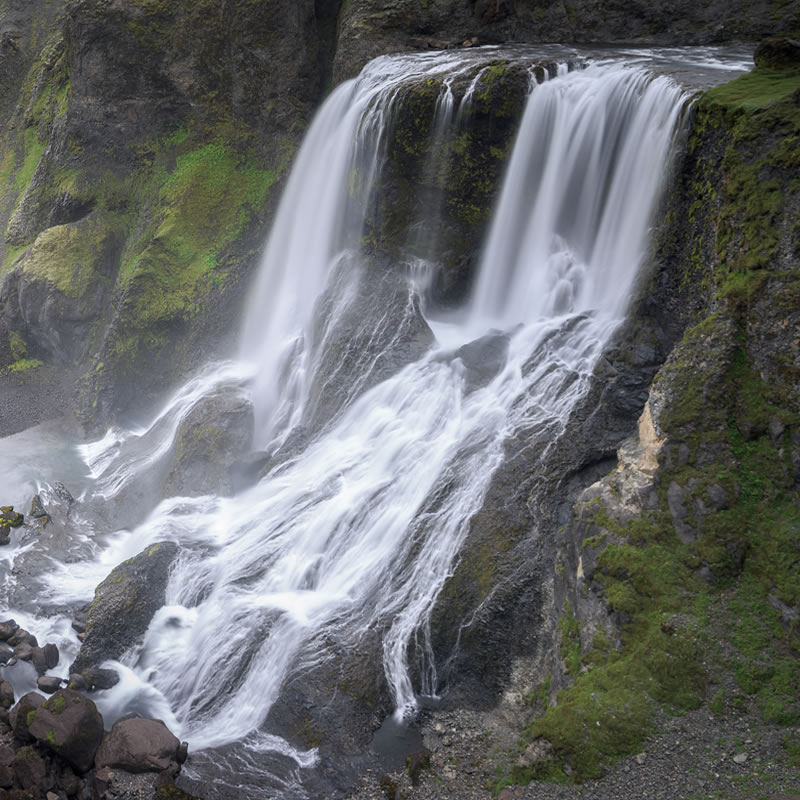
If your package includes a South Coast day, you will see two of Iceland’s most photographed waterfalls. Seljalandsfoss lets you walk behind the curtain of water, while Skógafoss thunders 60 metres down a mossy cliff.
The day usually ends at Reynisfjara, the black-sand beach with basalt columns and crashing Atlantic surf. Heed the warning signs about sneaker waves, which are genuinely dangerous.
Summer in Iceland — whales, puffins and midnight sun
Summer packages swap auroras for wildlife. Whale-watching boats from Reykjavik’s old harbour spot minke and humpback whales between April and October, with success rates above 90% in midsummer.
Puffins nest on the cliffs and islands from May to August, and the midnight sun means you can sightsee at 11pm. It is a completely different holiday from the winter version, and many visitors end up doing both.
Reykjavik — small capital, big character
Reykjavik is compact enough to explore on foot in half a day. Climb the Hallgrímskirkja church tower for the view over the colourful tin-roofed houses, then wander the harbour and the Laugavegur shopping street.
The food scene punches far above the city’s size. Try the famous hot-dog stand Bæjarins Beztu, then plokkfiskur fish stew or a tasting menu built on Icelandic lamb and langoustine.
What should you pack for Iceland?
Layers beat bulk. A waterproof shell, a warm mid-layer, a hat and gloves cover winter, while summer still demands the waterproof and something warm for evenings.
Bring a swimsuit whatever the season for the lagoons and town pools, and sturdy shoes with grip for waterfall paths. In winter, cheap strap-on ice grips for your shoes are the single best £15 you will spend.
Should you drive or stick to tours?
In summer, hiring a car is a genuine option, and the Ring Road is straightforward to drive. Self-drive packages with pre-booked hotels are increasingly popular.
In winter, let someone else drive. Storms close roads at short notice, daylight is limited, and guided tours simply reschedule around the weather in a way you cannot when you are the one behind the wheel.
Beyond the classics — Snæfellsnes and the hot river
Repeat visitors and longer packages often add the Snæfellsnes peninsula, nicknamed Iceland in miniature. In one day you get the photogenic Kirkjufell mountain, lava fields, golden beaches and fishing villages.
Closer to Reykjavik, the Reykjadalur valley hides a naturally hot river you can bathe in after a 45-minute hike. It is free, spectacular and far less commercial than the lagoons.
How to keep costs down in Iceland
Drink the tap water, which is among the purest in the world, and refill a bottle rather than buying drinks at £3 a time. Petrol-station grills and bakeries do excellent cheap lunches.
Happy hours are a Reykjavik institution, with apps listing which bars have beer at half price before 7pm. Supermarkets like Bónus and Krónan cut food costs dramatically if your hotel room has a fridge.
Is a package holiday to Iceland worth it?
For a first visit, absolutely. The combination of high local prices, weather-dependent logistics and sell-out excursions makes Iceland the rare destination where the package beats independent booking on both cost and convenience.
Waterfalls, geysers, volcanic beaches and possibly the aurora in a single long weekend is a holiday you will still be talking about years later. Few destinations deliver as much in three days.
Frequently Asked Questions
How many nights do you need in Iceland?
Three to four nights is enough for Reykjavik, the Golden Circle, the Blue Lagoon and a Northern Lights tour. Add two or three more nights to cover the South Coast waterfalls and black-sand beaches.
What is the best month to see the Northern Lights in Iceland?
The season runs from late September to mid-April, but November to February offers the longest hours of darkness. Clear skies matter more than the month, so allow several nights for the best chance.
Are package holidays to Iceland cheaper than booking separately?
Usually, yes. Tour operators pre-negotiate hotel and excursion rates, and paying in pounds upfront protects you from Iceland’s high on-the-ground prices and currency swings.
Is Iceland good for families?
Yes. Children are usually captivated by geysers, waterfalls and lagoon swimming, and most tours welcome kids. Winter visits suit families with older children, while summer offers easier conditions for younger ones.