HomeDestinationItaly
Last updated: October 2026
Italy holidays offer an unrivalled blend of ancient history, world-class cuisine, stunning coastlines and some of the most beautiful cities on earth. Whether you are dreaming of strolling through Rome’s cobbled piazzas, taking a gondola ride through Venice’s canals, or lounging on a sun-drenched Sicilian beach, Italy has something to captivate every traveller. With year-round sunshine in the south, a rich cultural calendar and an extraordinary diversity of landscapes, it is easy to see why Italy consistently ranks among the world’s most popular holiday destinations.
Few countries match Italy for sheer variety. In a single trip you can explore millennia of history at the Colosseum, admire Renaissance masterpieces in the Uffizi Gallery, ride a cable car above Lake Como and swim in crystal-clear turquoise waters off the Sicilian coast. The food alone is reason enough to visit — authentic pasta, wood-fired pizza, creamy gelato and world-renowned wines form the backbone of a cuisine that the rest of the world has spent centuries trying to imitate.
Italy’s climate varies from region to region, but the Mediterranean south and islands enjoy long, hot summers from May through to October. The northern lakes offer a gentler warmth ideal for spring and early autumn breaks. Rome and Florence, sitting in the centre, are wonderful year-round destinations, though spring and autumn are generally considered the sweet spot for sightseeing before the peak summer crowds arrive.
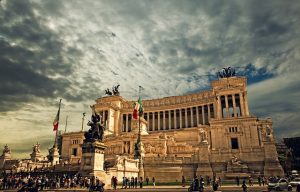
No visit to Italy is complete without time in Rome. The Italian capital is a living museum, where ancient ruins sit side by side with buzzing street cafés and world-famous monuments. The Colosseum, the Roman Forum, the Trevi Fountain, the Vatican and the Pantheon are all within reach of each other, making Rome one of the most rewarding cities on earth for a sightseeing holiday. Evenings are spent lingering over long dinners and the famous Italian aperitivo hour.
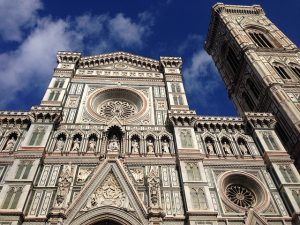
Florence is the spiritual home of the Renaissance and a city that feels like an open-air art gallery. The Uffizi holds Botticelli’s Birth of Venus and Michelangelo’s sculptures line the streets. The Duomo’s terracotta dome dominates the skyline, and the city’s medieval streets are a joy to wander. Florence sits in the heart of Tuscany, making it an ideal base for exploring the rolling hills, vineyards and hilltop towns of one of Italy’s most beloved regions.
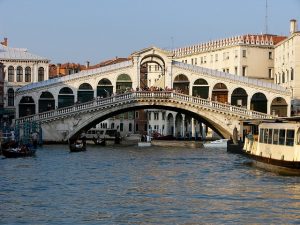
There is nowhere quite like Venice. Built across 118 islands in a lagoon in the Adriatic, this impossibly beautiful city is best explored on foot and by vaporetto. St Mark’s Basilica, the Doge’s Palace and the Rialto Bridge are the headline attractions, but Venice rewards those who wander away from the tourist trail into its quieter sestieri, where laundry hangs between medieval palazzos and local life continues much as it has for centuries.
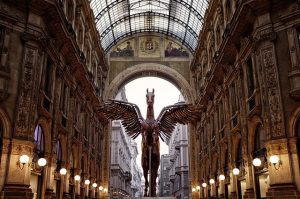
Milan is Italy’s most cosmopolitan city — a global centre for fashion, design and business. The city’s centrepiece is the magnificent Gothic Duomo, while the Galleria Vittorio Emanuele II, one of the world’s oldest shopping malls, showcases the city’s love of luxury. Milan is also home to Leonardo da Vinci’s The Last Supper. As a gateway city, Milan is perfectly placed for day trips to Lake Como, Lake Maggiore and Lake Garda.
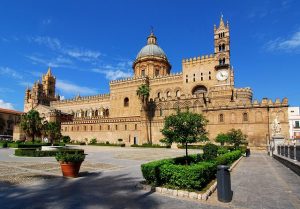
Sicily is a world unto itself — part of Italy yet with a culture, cuisine and landscape all its own. The island boasts extraordinary Greek and Roman ruins including the Valley of the Temples at Agrigento, the volcano of Mount Etna, baroque hilltop towns and some of the most spectacular beaches in the Mediterranean. The sea around Sicily is warm and brilliantly clear, and the food — arancini, cannoli, pasta with fresh seafood — is among Italy’s finest.
The coastline stretching south of Naples is among the most photographed in the world. The Neapolitan Riviera encompasses the dramatic Amalfi Coast, the island of Capri and the picturesque town of Positano. Cliffside villages tumble down to turquoise coves, and the narrow, winding roads offer views that stay with you long after you return home. Naples itself is a vibrant, chaotic city with a UNESCO-listed historic centre and the best pizza on the planet.
The Adriatic Riviera stretches along Italy’s eastern coastline, offering a more accessible beach holiday experience with a distinctly Italian flavour. Long sandy beaches, well-organised lidos, family-friendly resorts and a lively summer atmosphere make this stretch of the Adriatic coast a perennial favourite, particularly for those travelling with children. Resorts like Rimini, Riccione and Cattolica offer plenty of entertainment alongside the sun and sea.
Italy’s northern lakes are among the most scenically beautiful places in Europe. Lake Garda is the largest of the Italian lakes and offers a superb mix of outdoor activities, charming lakeside villages and a reliably warm climate. Windsurfing, sailing, hiking and cycling are all popular, while the southern shores enjoy a microclimate warm enough to support olive groves and lemon trees.
Beyond the lakes, Italy’s Dolomites in the northeast are a UNESCO World Heritage Site and one of Europe’s finest mountain landscapes, offering world-class skiing in winter and spectacular hiking in summer.
Eating in Italy is one of life’s great pleasures. Italian cuisine is deeply regional — what you eat in Sicily bears little resemblance to what you will find in Piedmont or Venice. Throughout the country, quality ingredients and time-honoured recipes are revered above all else. Markets overflow with seasonal produce, local cheeses and cured meats, and the wine regions — Tuscany, Piedmont, Veneto, Sicily — produce bottles that rival the world’s very best.
Eating like a local means starting with an espresso at the bar, lingering over a multi-course lunch and ending the day with a passeggiata before dinner. Italy has no rival when it comes to making the simple act of eating feel like a celebration.
Italy is exceptionally well connected to the UK. Direct flights operate from most major British airports to Rome Fiumicino, Milan Malpensa, Venice Marco Polo, Naples, Catania, Palermo and many other airports. Flight times range from approximately two to three hours depending on the destination. Major carriers including British Airways, EasyJet, Ryanair and ITA Airways operate regular services throughout the year, with frequency increasing substantially in the summer months.
It is also possible to reach Italy overland via the Channel Tunnel or ferry crossings, continuing by train or car through France and into northern Italy — a popular option for those wishing to break the journey and explore multiple destinations.
Look for ABTA membership, ATOL protection or ABTOT cover — these schemes protect your money if an operator ceases trading before or during your holiday. For a plain-English guide to what each scheme covers, read our holiday protection guide.
Italian cuisine is one of the world’s great food cultures, and any Italy holiday is fundamentally shaped by eating. The diversity is staggering: the fresh pasta, Parmigiano-Reggiano and Prosciutto di Parma of Emilia-Romagna (the richest food region in Italy); the simple perfection of Neapolitan pizza and the wood-fired seafood of the Amalfi Coast; the truffles, bistecche and Chianina beef of Tuscany; the risotto, osso buco and Milanese cotoletta of Lombardy; the arancini, caponata and swordfish of Sicily. Each region is distinct, each insisting on its own culinary traditions and suspicious of shortcuts.
Italian wine is equally regional and equally remarkable. Tuscany’s Chianti Classico and Brunello di Montalcino, Piedmont’s Barolo and Barbaresco, Veneto’s Amarone and Soave, Campania’s Greco di Tufo and Falanghina — wine touring in Italy rewards dedicated exploration in a way matched by no other wine country except France. For Italy holidays built around food and wine, the Langhe hills around Alba (truffles, Barolo, the Salone del Gusto food festival) or the Chianti Classico zone between Florence and Siena are outstanding destinations. Many UK tour operators offer specialist food and wine Italy holidays combining vineyard visits, cooking classes and market tours.
Italy holidays reward some advance planning. In peak summer (July–August), the major attractions — the Colosseum, the Uffizi, the Vatican Museums, the Amalfi Coast roads — are extremely busy. Pre-booking timed entry tickets for Rome’s Colosseum and the Vatican is essential; queuing without pre-booking can mean 2–3 hours of wasted time. Florence’s Uffizi Gallery also requires advance booking in summer. The Amalfi Coast is most enjoyably experienced in May–June or September–October, when road traffic is lighter and the sea is warm. Italian cities can be very hot in July and August (35–40°C); choose accommodation with air conditioning and plan sightseeing for mornings and evenings.
Italy’s train network — particularly the high-speed Frecciarossa and Italo services linking Rome, Florence, Venice, Milan, Naples and Turin — makes multi-city Italy holidays straightforward and extremely enjoyable. Rome to Florence takes 1.5 hours; Florence to Venice under 2 hours; Rome to Naples 1 hour 10 minutes. Rail passes covering Italy are available and represent excellent value for itineraries visiting more than two cities.
The best time to visit Italy depends on what you want to do. For city sightseeing in Rome or Florence, April to June and September to October offer pleasant temperatures and fewer crowds than peak summer. For beach holidays in Sicily or the Adriatic, July and August are ideal. The Italian lakes are superb from May through September, while the Dolomites attract skiers from December to March.
British passport holders do not need a visa to visit Italy for stays of up to 90 days within any 180-day period. Italy is part of the Schengen Area, and the EU’s ETIAS travel authorisation system for UK visitors is expected to come into effect in the near future — check the latest guidance before you travel.
Italy uses the Euro (€). ATMs are widely available throughout the country, and credit and debit cards are accepted in most hotels, restaurants and shops. It is advisable to carry some cash for smaller establishments, markets and rural areas.
Italy is an excellent family destination. Children are warmly welcomed almost everywhere, and there is enormous variety to suit all ages and interests. The beach resorts of the Adriatic Riviera and Sicily are particularly well set up for families, with gentle, shallow waters and plenty of beachside facilities. Theme parks, ancient ruins and the sheer joy of Italian food and gelato make Italy a firm favourite with children too.
Italy’s must-see sights include the Colosseum and Vatican in Rome, the Uffizi Gallery and Duomo in Florence, St Mark’s Basilica in Venice, the ruins of Pompeii near Naples, the Valley of the Temples in Sicily and the stunning Amalfi Coast. With 58 UNESCO World Heritage Sites — more than any other country — Italy rewards visitors with extraordinary heritage at every turn.
Most popular full-day tours


Visa requirements vary significantly by nationality. We recommend contacting your local embassy or immigration office for accurate and up-to-date information.
Check requirements at IATA Travel Centre →| Month | Avg Temp (°C) | Avg Rainfall (mm) |
|---|---|---|
| Jan | 8.3°C | 76.2 mm |
| Feb | 9.5°C | 56.3 mm |
| Mar | 11.3°C | 97.1 mm |
| Apr | 13.8°C | 64 mm |
| May | 18.4°C | 83 mm |
| Jun | 24.5°C | 37.6 mm |
| Jul | 27.6°C | 18 mm |
| Aug | 26.8°C | 45.8 mm |
| Sep | 22.2°C | 104.5 mm |
| Oct | 18°C | 79.2 mm |
| Nov | 12.9°C | 150.4 mm |
| Dec | 9.5°C | 104.3 mm |
Search4Sun has been comparing UK holiday packages since 2005. We work with some of the best ABTA-registered operators.