Mauritius.jpg” alt=”Cheap Holidays to Mauritius” width=”640″ height=”425″/> Cheap Holidays to Mauritius
Mauritius has a reputation problem. Mention it to most people and they picture an extortionate honeymoon destination — champagne on private beaches, spa packages costing four figures, five-star villas with butlers. That reputation is not entirely wrong, but it tells only half the story.
The island also has guesthouses, self-catering apartments, local restaurants where you eat extraordinarily well for very little money, and a public bus network that costs almost nothing. Mauritius on a sensible budget is entirely possible, and the beaches and Indian Ocean water are just as beautiful regardless of how much you paid to sleep that night.
When to Go for the Best Value
The high season in Mauritius runs from June to August and again over Christmas and New Year. Outside those periods — particularly from January to May and September to November — prices for flights and accommodation can drop significantly. April and May are especially good: the summer rains have passed, the humidity has dropped, and the island is lush, green, and relatively quiet.
Booking well in advance or at the last minute can both work in your favour. The island depends on tourism, and resorts regularly discount rooms to fill capacity in shoulder months. Package holiday operators frequently offer deals that bundle flights and accommodation at prices that would be hard to match if you booked everything separately.
Where to Stay Without Spending a Fortune
The north of the island around Grand Baie is the most developed tourist area, with the widest range of accommodation from budget guesthouses to luxury resorts. Grand Baie itself is lively, convenient for restaurants and shops, and has easy access to some good beaches. It is not the most scenic part of the island, but for value it is hard to beat.
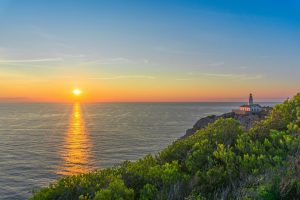
Flic en Flac on the west coast is a quieter alternative — a long sandy beach backed by a small town, with a good range of mid-range hotels and self-catering apartments. The sunsets from Flic en Flac are genuinely spectacular, with the Rempart Mountain silhouetted against an orange sky.
The south and east coasts are wilder and windier but offer some of the island’s most beautiful beaches, including the famous Blue Bay Marine Park near Mahebourg and the extraordinary Ile aux Cerfs — a small island in a turquoise lagoon that you reach by boat from the east coast.
What to Do on a Budget
Mauritius is excellent for free and low-cost experiences. Most of the island’s famous beaches are public, so there is no charge to spend the day on them — sun-lounger hire is the only cost, and even that is avoidable if you bring your own towel and find a spot in the shade.
The Black River Gorges National Park covers a quarter of the island’s land area and offers excellent hiking through tropical forest, with the chance to spot endemic Mauritian birds including the pink pigeon and the echo parakeet. Entry to the park is free.
The Port Louis central market is one of the best in the Indian Ocean — a riot of colour, spice, and noise that costs nothing to walk through and rewards a couple of hours of exploring. The street food stalls outside serve dholl puri (a local flatbread with split pea filling) and gato piment (chilli cakes) for a few rupees each.
Food and Drink Without the Restaurant Bill
Mauritian cuisine is one of the genuine pleasures of visiting the island, and you do not need to eat in hotel restaurants to enjoy it. The island’s food reflects its multicultural heritage — Indian, Creole, Chinese, and French influences all show up in the cooking.
The roadside stalls and local restaurants (called “snacks” locally) serve excellent food at prices that seem almost implausibly low by European standards. A full plate of biryani or a bowl of bouillon costs a fraction of what you would pay in any tourist restaurant. Finding these places is part of the pleasure — ask your guesthouse owner where they eat themselves.
Getting Around
The bus network in Mauritius is cheap, extensive, and air-conditioned. It covers most of the island including the main tourist areas, and a journey from Port Louis to most coastal towns costs a matter of pence. The buses are reliable and used by locals and budget-conscious travellers alike.
Taxis are plentiful but always negotiate the price before you get in — metered taxis are rare and drivers set their own rates for unmetered journeys. A shared minibus taxi (sometimes called a taxi-train) is cheaper again for popular routes.
Car hire is worth considering if you want to explore the interior and the south coast, which the bus network reaches less conveniently. Roads are generally good and driving is on the left.
Making It Work as a Package Holiday
Despite everything above, the honest answer for many UK travellers is that a well-chosen all-inclusive package to Mauritius can represent genuinely good value — particularly when you factor in the cost of the long-haul flights. When flights and accommodation are bundled together by a specialist operator and prices are compared across travel dates, it is often hard to do better independently.
Search for departures from regional UK airports and be flexible on your travel dates. The difference in cost between peak and shoulder season can be several hundred pounds per person on the same resort. A Mauritius or Indian Ocean package booked through a UK tour operator also comes with ATOL protection, which matters on a trip this far from home.
Mauritius vs the Maldives: Which Is Better Value?
This comparison comes up constantly, and the honest answer is: it depends on what you want. The Maldives offers the most extraordinary overwater bungalow experience in the world, but the islands are flat and small — there is genuinely not much to do beyond the beach, the water, and the spa. Mauritius has everything the Maldives has in terms of Indian Ocean water and white sand beaches, but it also has a real island to explore — mountains, waterfalls, street markets, street food, and a multicultural population with a fascinating history.
For first-time Indian Ocean visitors on a budget, Mauritius almost always represents better value. For those seeking an ultra-luxurious water villa experience as their sole focus, the Maldives is unbeatable.
The Best Beaches in Mauritius
Blue Bay, in the south-east, is the most consistently beautiful beach on the island — calm, shallow, turquoise water over a protected reef, and the Blue Bay Marine Park just offshore offering excellent snorkelling. The beach itself is lined with casuarina trees that provide natural shade.
Le Morne in the far south-west is more dramatic — a long sweep of white sand beneath the famous Le Morne Brabant mountain, which is a UNESCO World Heritage Site. The beach is excellent for swimming and the mountain provides a dramatic backdrop for photographs.
Flic en Flac on the west coast is the best all-round beach — long, sandy, sheltered from the south-east trade winds, and with a small town behind it that has restaurants and shops. The sunsets from Flic en Flac facing west across the Indian Ocean are extraordinary.
Mauritius for Honeymoons
Mauritius is one of the world’s great honeymoon destinations, and the luxury end of the market here is genuinely world-class. The Constance, One&Only, and Four Seasons properties on the island are among the finest resort hotels in the Indian Ocean. Overwater bungalows are available at several luxury properties.
Even on a honeymoon budget that is more modest than the ultra-luxury bracket, Mauritius delivers — mid-range boutique hotels in the north of the island or on the west coast can be extraordinarily romantic at a fraction of the price of the flagship resorts.
Practical Information for Mauritius Holidays
Mauritius is approximately eleven hours from the UK by direct flight. Air Mauritius operates direct services from London Heathrow; connections via Dubai, Doha, or Nairobi are also common and sometimes cheaper.
The official languages are English and French, with Mauritian Creole the most widely spoken. English is used in shops, restaurants, and hotels without difficulty. The currency is the Mauritian Rupee.
Mauritius is generally safe for tourists. The main precautions are the standard ones for any warm-weather destination: be careful with your belongings on beaches, take normal precautions at night, and drink bottled water.
Frequently Asked Questions
When is the best time to visit Mauritius?
May to November is the dry season with lower humidity and consistent sunshine. December to April is warmer but more humid, with occasional heavy rain and the risk of cyclones from January to March. The best overall months are June, July, and August.
Is Mauritius better value than the Maldives?
For most travellers, yes. Mauritius offers comparable Indian Ocean beaches and water but also has a real island to explore — mountains, waterfalls, street markets, and a fascinating multicultural history. The Maldives is unbeatable for an ultra-luxurious overwater villa experience, but Mauritius offers far more to do.
How long is the flight from the UK to Mauritius?
Approximately eleven hours by direct flight. Air Mauritius operates direct services from London Heathrow. Connections via Dubai, Doha, or Nairobi are also available and sometimes cheaper.
Is Mauritius a good honeymoon destination?
One of the world’s finest. The luxury end of the market — Constance, One&Only, Four Seasons — is genuinely world-class. Even on a more modest budget, boutique hotels on the west coast can be extraordinarily romantic at a fraction of the flagship resort prices.